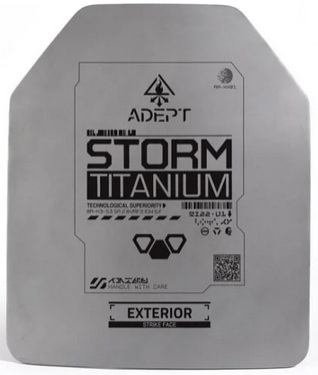
When most people think of body armor, bullets are usually the first threat that comes to mind. But for many professionals, edged weapons and improvised spikes pose just as real a danger, sometimes even more so in close quarters situations. Understanding how to protect against these threats requires a different approach than standard ballistic protection alone.
Why Blades and Spikes Require Different Protection
Bullets and blades behave very differently when they strike a surface, which means the materials that stop one don't necessarily stop the other. A knife or improvised spike concentrates force into a very small point, allowing it to punch through materials that would easily stop a bullet's broader impact. This is especially relevant for corrections officers, security personnel, and law enforcement who face a higher risk of edged weapon attacks during close contact situations. Standard ballistic plates aren't automatically rated for this kind of threat, so relying on bullet-resistant gear alone can leave a dangerous gap in protection. Crucial protection for high-contact environments. Visit this website to see how a body armor stab plate secures your flanks and chest.
How Stab Rated Armor Works
A body armor stab plate is specifically engineered using tightly woven fibers or layered materials designed to resist puncture from blades, spikes, and other edged weapons. These plates are tested against standards like the NIJ 0115.00, which measures how well a material resists both edged blade and spike threats at different force levels. Many stab-rated products combine this protection with ballistic resistance, giving wearers coverage against both gun and knife threats in a single system. Because stab protection often adds weight and reduces flexibility, manufacturers work to balance coverage with comfort for extended wear.
Choosing the Right Setup for Your Risk Level
Not everyone needs the same level of protection, so it's important to assess your actual risk before buying. Corrections and security roles with frequent close contact typically benefit most from adding a body armor stab plate to their existing setup. Looking for products independently tested to recognized stab and spike standards ensures you're getting real protection rather than relying on manufacturer claims alone.
Read a similar article about level 3 body armor here at this page.