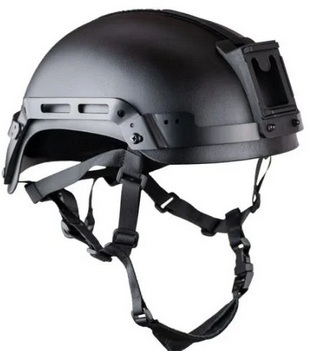
Head protection is one of the most critical decisions any operator, law enforcement professional, or serious shooter makes when building out their gear setup. Ballistic helmets have evolved considerably over the past few decades, and today there are several distinct configurations available, each designed with specific use cases in mind. Understanding the differences helps you choose the right helmet for your role and environment.
Full Cut, Mid Cut, and High Cut Designs
The most common way to categorize ballistic helmets is by their cut, which refers to how much of the head the helmet covers and where it sits relative to the ears. Explore a high cut ballistic helmet designed for dependable protection, comfort and mobility - visit this website to learn more.
Full cut helmets, sometimes called PASGT-style helmets, offer the most coverage. They extend down over the ears and provide substantial protection around the sides and back of the head. The tradeoff is bulk and reduced compatibility with communication headsets, which is why many tactical operators have moved away from this design in recent years.
Mid cut helmets strike a balance between coverage and functionality. They protect the skull and upper portions of the ear while leaving enough clearance for most over-ear hearing protection systems.
The high cut ballistic helmet has become the preferred choice for special operations and tactical law enforcement units. By cutting higher above the ears, it allows full compatibility with active hearing protection, communication gear, and night vision mounting systems. The reduced coverage around the ears is generally considered an acceptable tradeoff given the operational advantages. If you need maximum equipment compatibility without sacrificing ballistic protection for the skull, a high cut ballistic helmet is the configuration most professionals reach for.
Materials and Protection Ratings
Beyond the cut, ballistic helmets vary significantly in the materials used and the threats they are rated to stop. Ultra-high-molecular-weight polyethylene (UHMWPE) helmets offer an excellent strength-to-weight ratio and are lighter than aramid fiber alternatives. Aramid helmets, made from materials like Kevlar, have a long track record and remain widely used across military and law enforcement agencies.
NIJ ratings and STANAG certifications tell you what a helmet has been tested to defeat. Always verify the testing standard before purchasing, especially if the helmet will be used in genuine high-threat environments.
Read a similar article about tactical helmet here at this page.