Low-light operations demand a different approach to gear setup than daytime work. It is not just about adding a light source or a night vision unit and calling it done. Every piece of equipment needs to work together, from how it mounts to how it balances on your head or rifle, or the setup ends up fighting you exactly when you need it to perform.
Getting the Mounting System Right
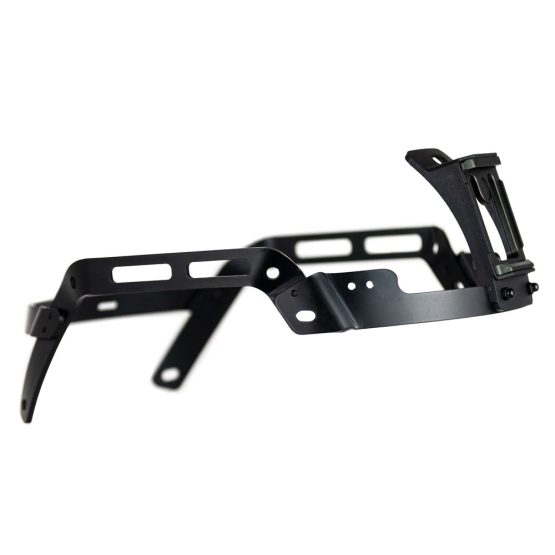
The foundation of any low-light setup starts with how your optics actually attach to your gear. A shaky or poorly seated mount defeats the purpose of expensive optics, since even a small amount of movement throws off your field of view at the worst possible moment. A properly fitted night vision helmet mount should sit close to the head, distribute weight evenly, and allow quick flip up and down movement without requiring you to take your hands off your weapon or gear.
Cheaper mounts tend to develop play over time, which shows up as wobble during movement. Investing in a solid night vision helmet mount early on saves a lot of frustration later, especially once you start adding counterweights or additional accessories to balance the setup. Visit the website today to explore night vision helmet mount options designed for secure attachment, stability and reliable tactical performance.
Balancing Weight Across the Whole System
Night vision units are front heavy by nature, and that weight has to go somewhere. Most experienced operators add a counterweight to the back of the helmet to offset the strain on the neck during extended wear. Skipping this step might feel fine for the first twenty minutes, but fatigue builds quickly during longer operations, and that fatigue directly affects performance and awareness.
Weapon mounted lights and lasers need the same attention to balance and consistency. A light that shifts zero every time it gets bumped is worse than no light at all, since it creates false confidence in your aim.
Testing Before You Actually Need It
The worst time to discover a mounting issue or a battery problem is in the field. Running through your full low-light setup in a controlled environment first lets you catch balance issues, loose fittings, or dead batteries before they become a real problem when it actually matters.
Read a similar article about adaptive shields armor here at this page.